Smash burger myths, busted by a chef
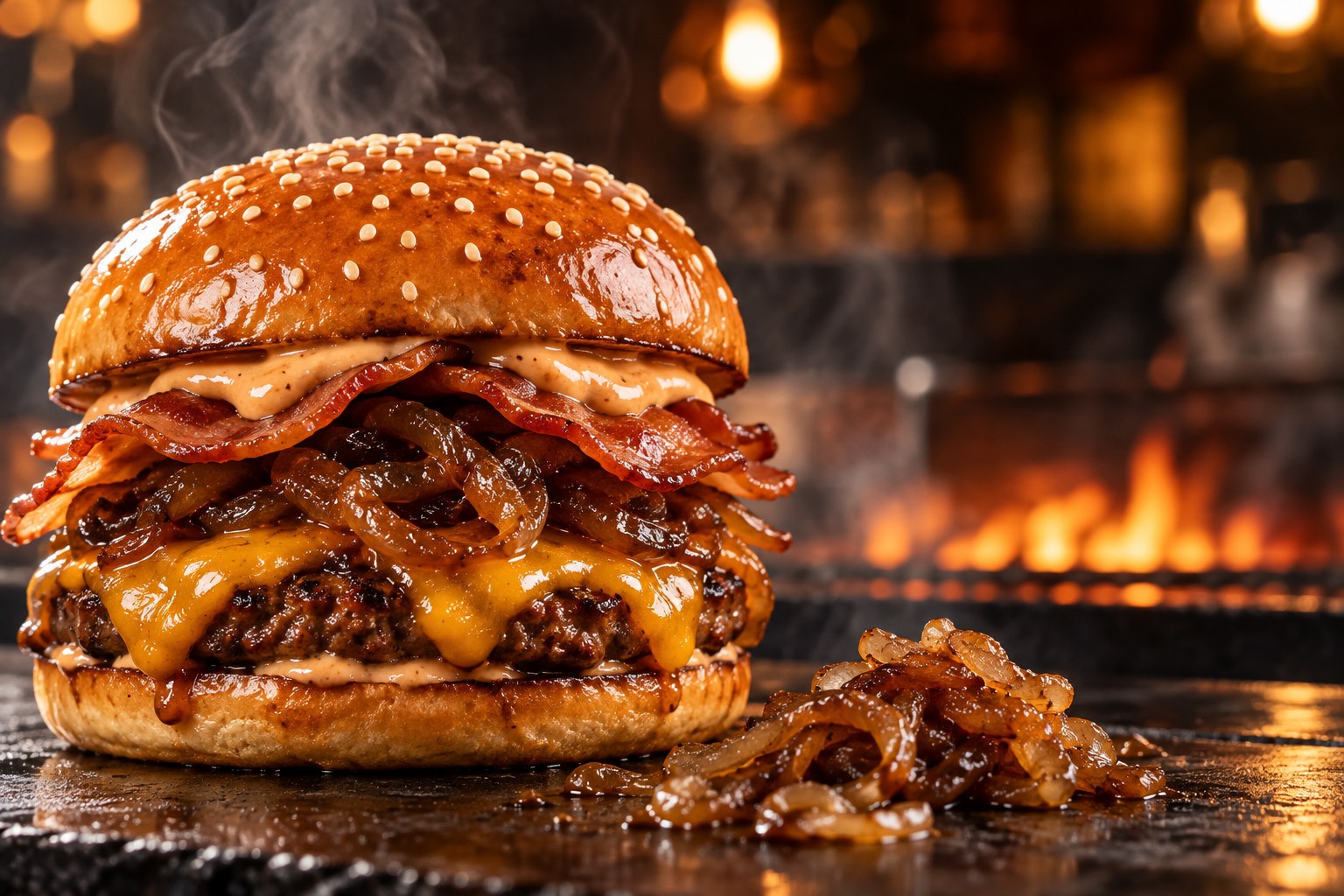
Smash burgers do not dry out when they are made properly, and smashing raw mince onto a hot griddle does not squeeze the juice out. The crust comes from fast, hot browning, and the juiciness comes from fat, cheese and sauce. Here are the biggest myths, one by one.
Smash burgers have exploded in popularity, and with that has come a lot of confident advice that is not quite right. Here are the most common myths, with the simple food science behind each.
Myth 1: "Smashing the patty squeezes out all the juice"
Not quite. The advice to never press a burger applies to a cooked patty, where pressing forces out juice and fat that has already run. A smash burger is pressed at the very start, when the mince is raw and just touching the griddle. The patty is then cooked in a thin layer so quickly that most of the fat stays in the meat and fries the edges. Smashing at the right moment gives you crust, not a dry burger.
Myth 2: "Searing seals in the juices"
False, but the crust still matters. Browning does not form a waterproof seal. What it does is create flavour, through the Maillard reaction, which starts at around 140°C. That is the real reason we cook hot: for taste and texture, not to lock anything in.
Myth 3: "Thin patties always overcook and dry out"
Only if the mince is too lean. Beef with around 20 per cent fat stays juicy even when it is thin, because the fat renders and bastes the patty as it cooks. Lean mince is the usual cause of a dry smash burger.
Myth 4: "You can cook a smash burger on any pan"
Partly true. You can make a decent smash burger at home on a heavy cast iron pan, but a thin, non-stick pan that cannot hold heat will give you grey, steamed patties. The surface needs to be very hot, and heavy enough not to cool down when the mince goes on. Read our home method for the details.
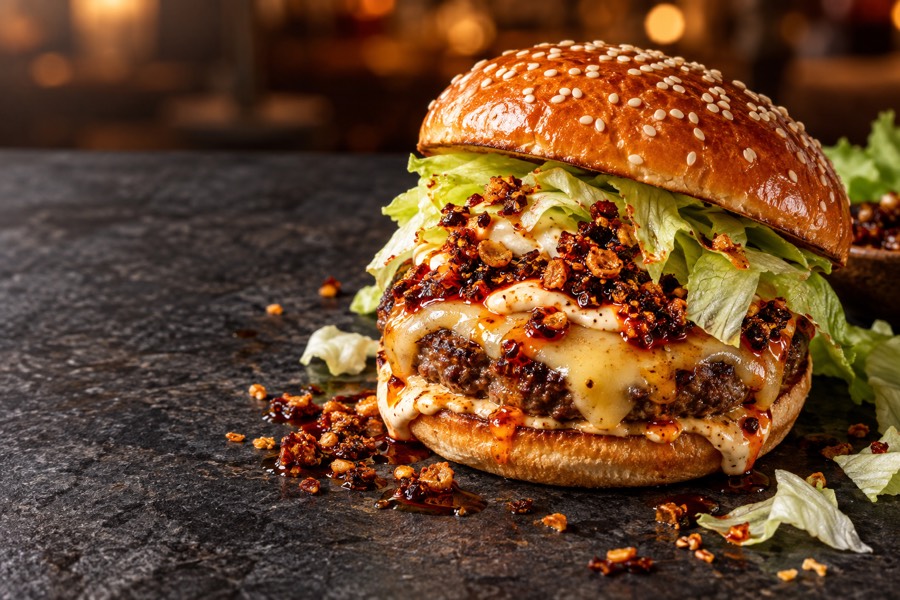
Myth 5: "Salt the mince first for more flavour"
This backfires. Mixing salt into mince in advance pulls out proteins and makes the texture dense and sausage-like. For a tender, crisp patty, season on the griddle, after the smash.
Myth 6: "A smash burger is just a small burger"
No. A smash burger is a method, not a size. A slider is a small burger. A smash burger can be a double or even a triple stack, like our Triple Threat.
Myth 7: "Medium-rare is better for burgers"
Not for mince. The Food Standards Agency advises that burgers should be cooked until piping hot all the way through, with no pink and juices running clear. Thin smash patties get there in minutes, so you do not need to compromise on safety or crust.
Myth 8: "The bun is just there to hold it"
The bun does a lot of work. A butter-toasted brioche bun adds flavour and keeps sauce from soaking in. Read why brioche suits a smash burger.
Myth 9: "Fast food burgers and chef-made smash burgers are basically the same"
They are built for different goals. High-volume kitchens are designed for speed and consistency. A chef-led kitchen can focus on crust, seasoning and sauces made in-house. We compare them fairly in chef-made smash burger vs fast food burger.
Myth 10: "You need a lot of toppings"
Less is more. The crust is the star. Pickles, onion and a good sauce are often all you need. See the best toppings for a smash burger.
See it for yourself
The easiest way to bust a myth is to taste the truth. DesiSmash smashes every patty to order on a very hot griddle, Friday to Sunday, with collection and delivery across Leicester and Glenfield. Browse the menu and pre-order a slot.
Keep reading
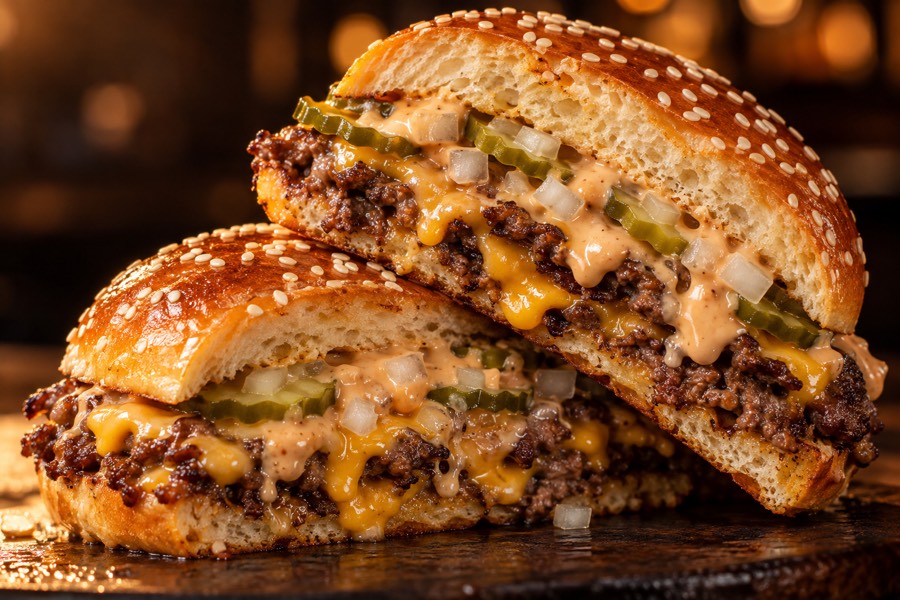 What Is a Smash Burger? A Chef's GuideWhat is a smash burger? A chef explains how smash burgers are made, why the crust tastes so good, and how they differ from a regular burger.
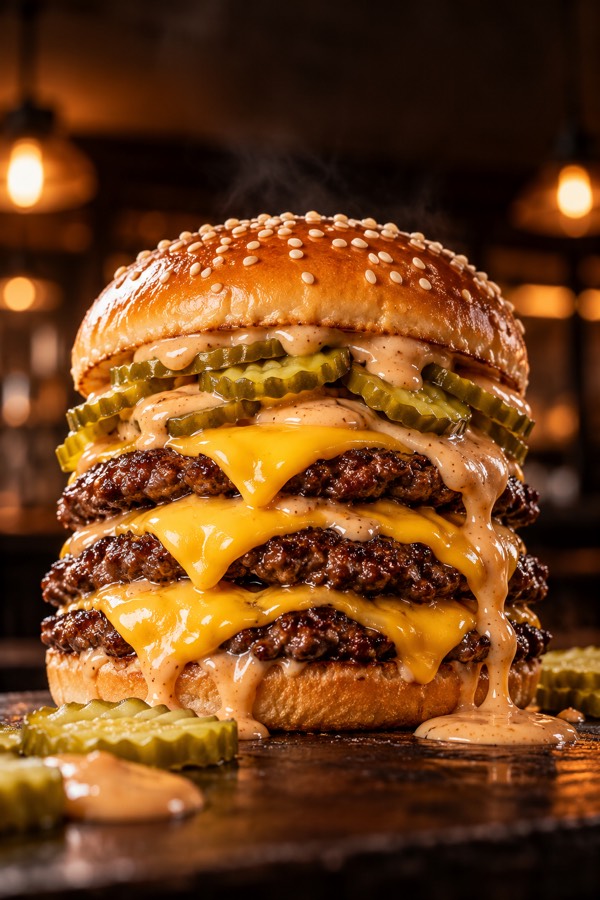 Smash Burger vs Thick Burger: Which Is Better?Smash burger vs thick burger: crust, juiciness, cook time and flavour compared by a chef, plus which one to order and when.
 How to Make Smash Burgers at HomeHow to make smash burgers at home like a chef: the right mince, pan heat, smash technique, cheese and bun, with mistakes to avoid.